


I finished and just sat there staring at my screen, because there it was: my product, ready to sell. A goddamn book club. A fucking idea I’ve been carrying around for years. A cool one. The others aren’t. Sorry, Dua Lipa. I spent days designing the page, a game, and a few other things that would make anyone feel like they were robbing me at the ridiculous price of five dollars. Out of more than fifty thousand followers on Instagram, one hundred and twenty-four found out about it. Zero sales.
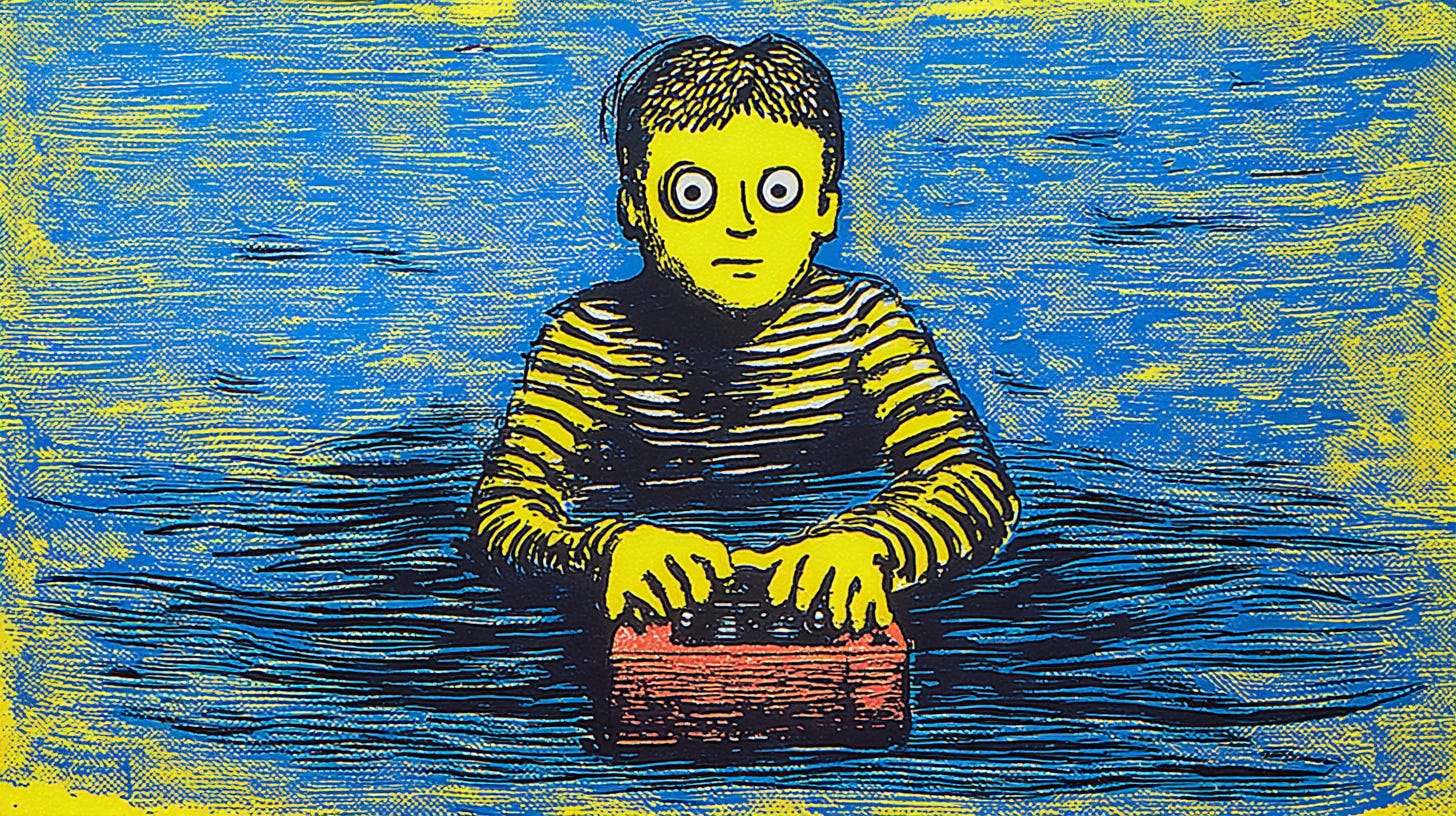
Why didn’t I scream about it everywhere like a lunatic? Maybe to keep an excuse ready for my possible fucking defeat. I’m starting to think my fear of selling runs deeper. Because I understand the theory. Of course I do. But I keep finding mechanisms to save myself from defeat, from humiliation, from someone questioning the price of what I offer. From being called a scammer.
Not all ice cools the same
Every time I think about sales, the same old line comes to mind: a good salesman can sell ice to an Eskimo. That’s the line, that’s the word it uses, and nobody has updated it since roughly 1955. It implies cunning and persuasion, sure, but it also tells us the salesman is someone so persuasive he can sell you what you don’t need. In Mexico I’ve also heard that a good salesman will never go hungry. And once, working at a hotel, the sales department declared itself the most important department of all.
So when I try to use logic, my brain short-circuits. Because I think: people buy what they need. But… is that true? Why did that man buy the ice? What did he tell his wife when he got back to the igloo hauling even more of it? Did he look himself in the mirror and say, “Damn, Amarok, that guy really was a good salesman. He got me”?
Okay, okay! I know the whole thing is an exaggeration. I know it means a salesman can sell anything to anyone. Which is exactly the point: people buy what they don’t need.
That’s how the salesman gets him: he sells him unique ice, the ice that will make him happier, or maybe the ice that will make his wife love him more. Or some fucking quality that hypothetical genius piece-of-shit salesman invented, and now Amarok is sitting on a surplus of ice. There he is, staring at his special ice, thinking it’s special, in a special corner. Damn, they really got you, Amarok.
Then I think: every time I’ve wanted to create a product or a service, I understand I’m supposed to solve people’s problems, a need, heal a pain. And what the fuck does that have to do with anything! People don’t buy for that. Unless the word need is what’s wrong here. Because if you think about it, belonging, feeling unique, owning something with a story of its own — those are needs too. Same with problems. Sometimes we just invent them. Having a big, perfectly functional nose isn’t a problem, but you’d swear it is and you go get it fixed. Same with pain. We don’t need to eliminate boredom, but Netflix doesn’t hurt. Amarok now knows he owns the most beautiful fucking ice cube in all of Nunavut.
This is what luxury brands figured out. To some people, buying a watch that costs more than a hundred thousand dollars is absurd. Or a Montblanc pen (God, I love those bastards). Or a Mercedes-Benz. The watch tells time. The pen writes. The car moves you. And people need that, but they choose the expensive ones for other reasons. Amarok's ice cools like any other ice. But his cold doesn't feel the same.
Ten-thousand-dollar ice
Yesterday I went to a Hormozi video to understand more about selling. Flexing those enormous biceps, he said: sell something very cheap to a lot of people, or something very expensive to a few. He recommends starting with expensive. Sell to people with money, the people carrying those lovely wallets stuffed with green. It makes sense: fewer clients, so I could take even more care with each one. Should I have made a luxury book club? Damn, I want those biceps.
Amarok, my friend, did you drop ten thousand green on ice, or just a thousand? Hormozi would have sold him luxury ice. Meltwater from the Swiss Alps. Definitely better than selling regular ice at ten dollars a pop to a thousand of Amarok’s friends.
While heating up a tuna empanada I listened to “The four-letter code to selling anything,” where Derek Thompson explains MAYA (Most Advanced Yet Acceptable), the theory of Raymond Loewy, the father of industrial design. Loewy said we’re torn between two forces: the love of what’s new and the fear of what’s too new. So, as Thompson puts it, “To sell something familiar, make it surprising. To sell something surprising, make it familiar.” A guy who designed trains was giving me the best advice I’d found for creating a product.
Go back to my examples of unnecessary luxury and they all fit. They’re surprising and familiar at the same time. The luxury watch is still a watch. Same with the car and the pen. They just made them more surprising. The ice Amarok bought is the ice he already knows, only fucking better.
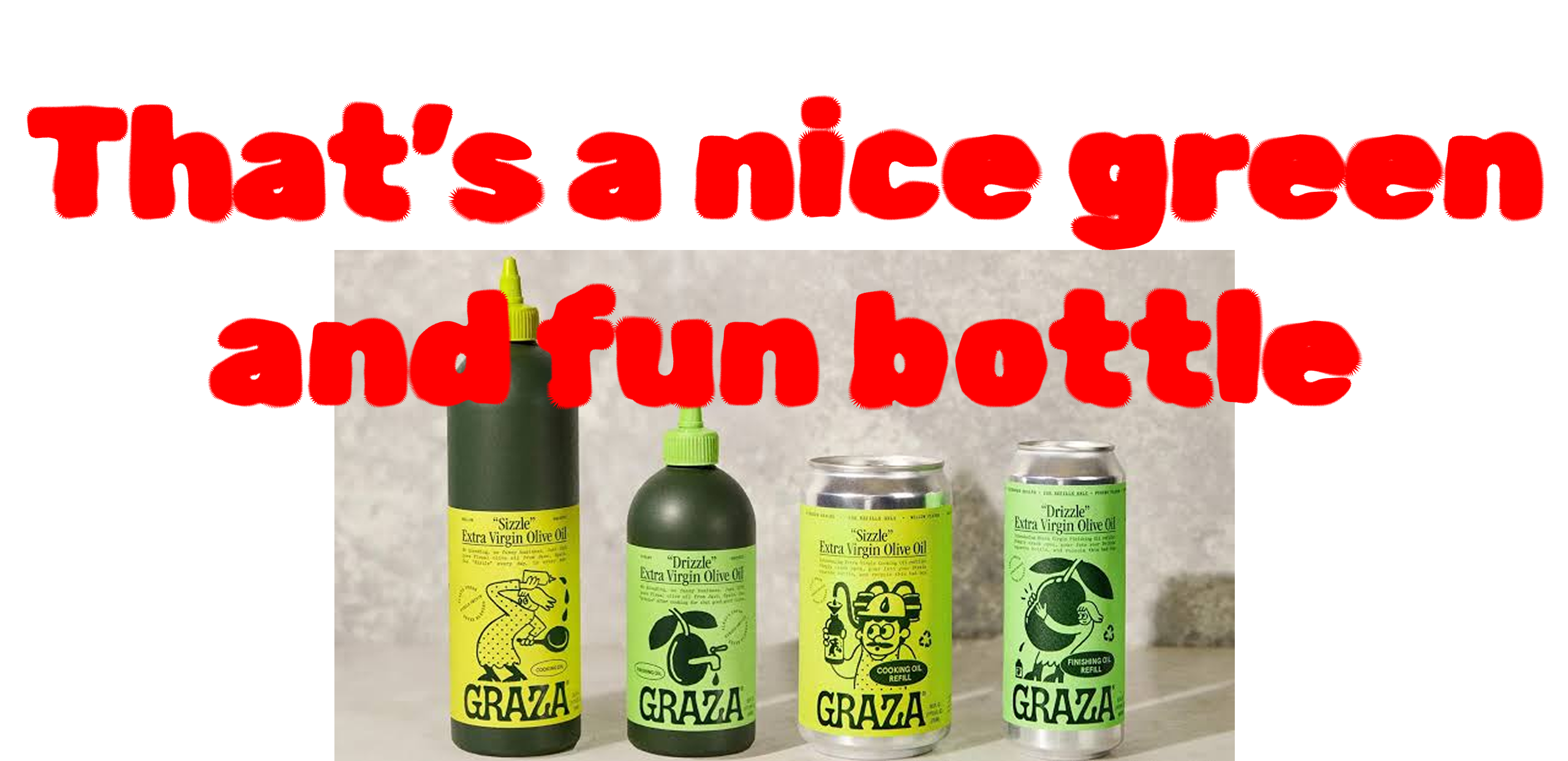
Now I think about Graza, that green bottle of olive oil with the fun design. It’s oil, like a hundred other brands on the shelf. But it’s green and fun. Cooking is green and fun now. Your salad is green and fun. It’s oil. But it’s green and fun.
I sold zero spots in my book club. I made it cheap. Maybe it’s still not green and fun enough. The truth is I just haven’t screamed about it everywhere like a lunatic.
Translated from the Spanish by the author, with help from Claude.